
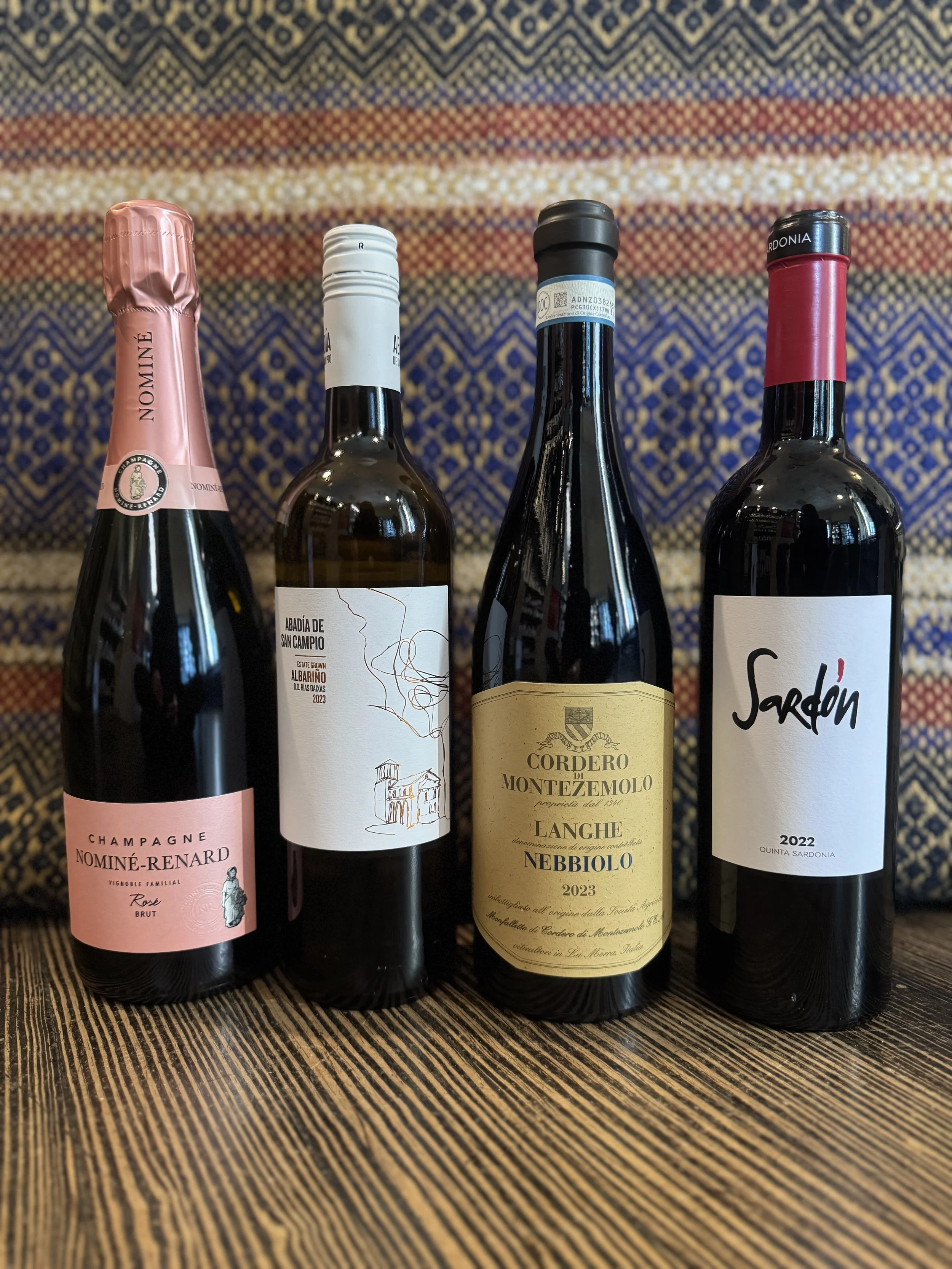

Nominé-Renard Champagne Brut Rosé
Origin: France
Retail:$59.95 | Sale: $53.95
Third generation winemaker Simon Nominé cares for 3 grape-varieties planted across 6 different villages, spread in 36 plots in Champagne, France. This Champagne falls under the label of “grower champagne,” but specifically “Independent Grower”(Récoltant-Manipulant), meaning they harvest their own grapes, make the wine, and sell it under their own label. Not having the pressure of large Champagne houses allows the wine to be more terroir-focused and gives it a “sense of place.” The blend consists of 45% Chardonnay, 45% Pinot Meunier, and 10% Pinot Noir, the only three grapes that are grown on the property. We love this one because of its freshness and elegance, gaining complexity the longer you drink.
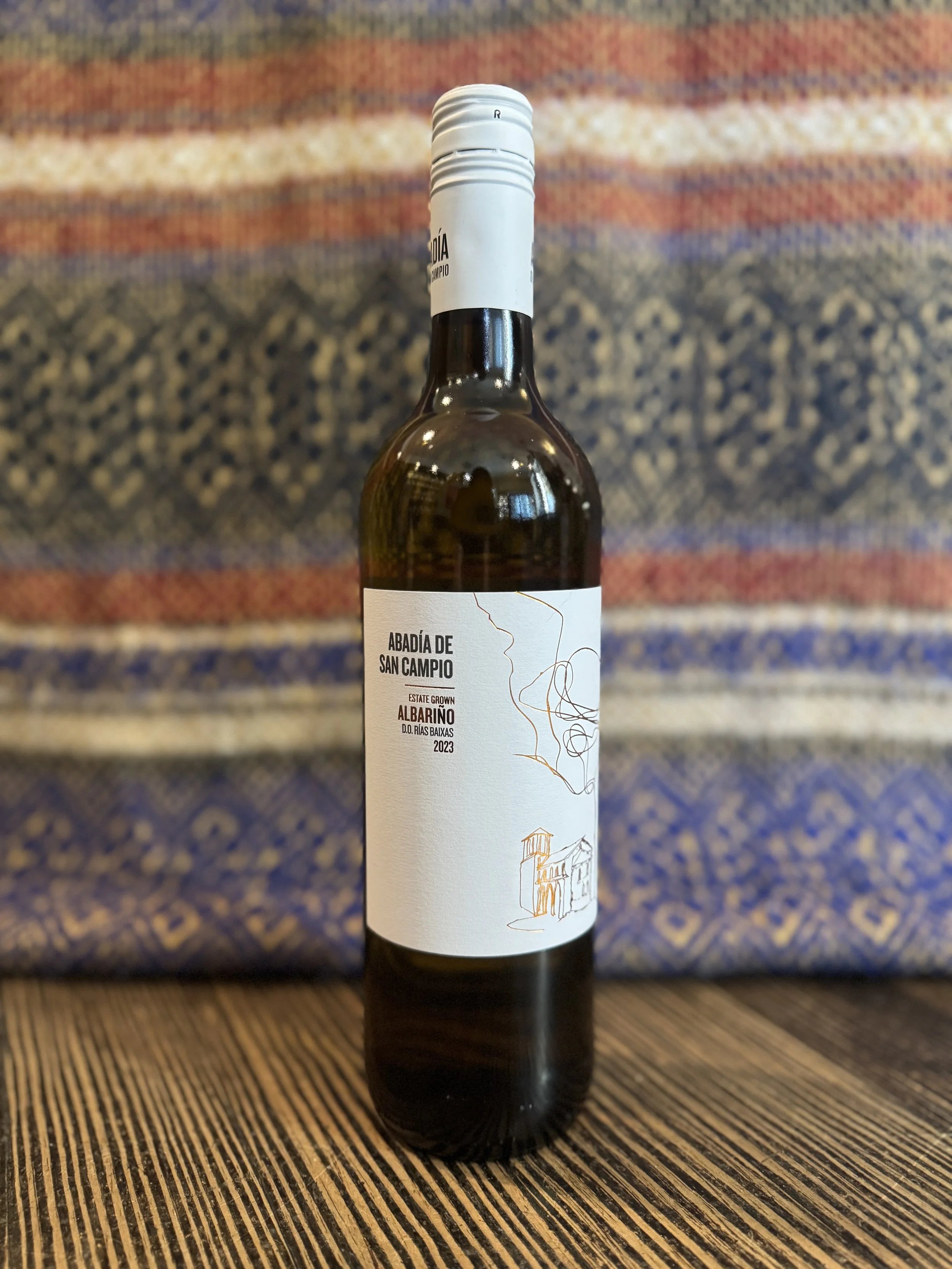
Terras Gauda Abadía de san Campo Albariño 2023
Origin: Spain
Retail: $19.95 | Sale: $17.95
Terras (Land) Gauda (Happiness) was founded in 1989 by the Fonseca family in a southern sub-region of the D.O. Rías Baixas. Located on the banks of the Miño river, bordering Spain and Portugal and close to the Atlantic Ocean, Terras Gauda’s wines are mineral-driven, complex, and representative of their distinctive schist-rich terroir. Emilio Rodríguez Canas has been Terras Gauda’s Director of Winemaking since 1999 and is a pioneer in Galician research and development. Known for creating the first clonal selection of the Albariño grape using experimental micro-fermenters. His winemaking features 100% skin-contact maceration, temperature-controlled fermentation with patented yeasts, and sur-lee aging without malolactic fermentation.
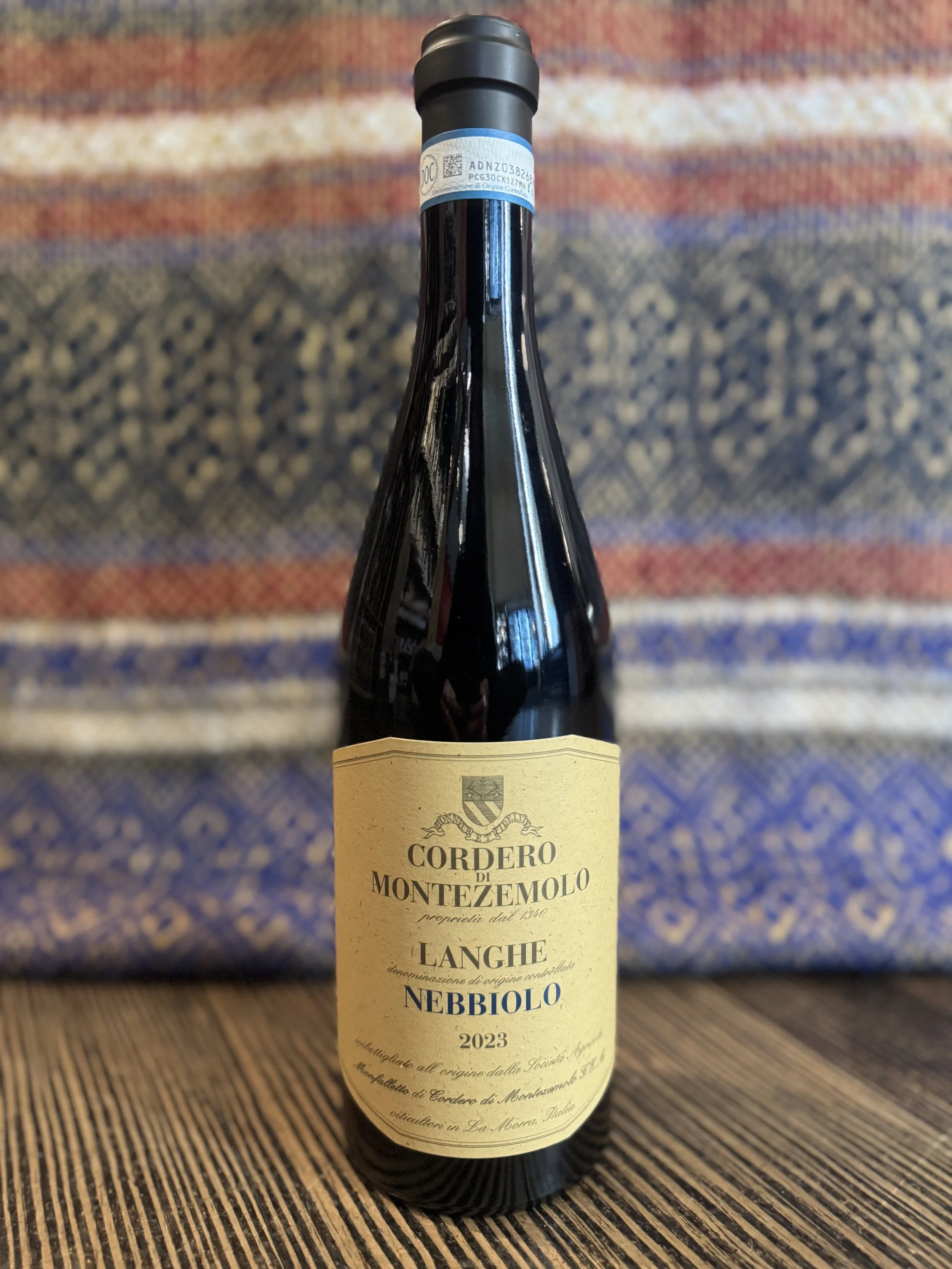
Cordero di Montezemolo Langhe Nebbiolo 2023
Origin: Italy
Retail: $34.95 | Sale: $31.45
Since 1340 and throughout 18 generations, the Cordero di Montezemolo estate has been owned by the same family. The members of the Falletti family from Rodello, La Morra, Serralunga, and Borgomale exchanged part of their hilltop properties for other properties in the fertile, irrigated plain between Savigliano and Saluzzo. They retained some of their land in the Alba area because it was easily cultivated, while for their own tables, they jealously guarded Monfalletto, which they considered their most prized vineyard. In 2013, they chose to take another step forward and adopt an organic approach to managing their vineyards, leading them to organic certification. A product conceived in the vineyard and cellar to achieve an expression of freshness, youth, immediate pleasure, and complexity, yet at the same time easy to drink throughout the meal. It is produced from Nebbiolo vineyards in Alba and Cherasco, using grapes from all vines under 7-8 years old in their Barolo vineyards, harvested separately and reclassified for the production of Langhe Nebbiolo.
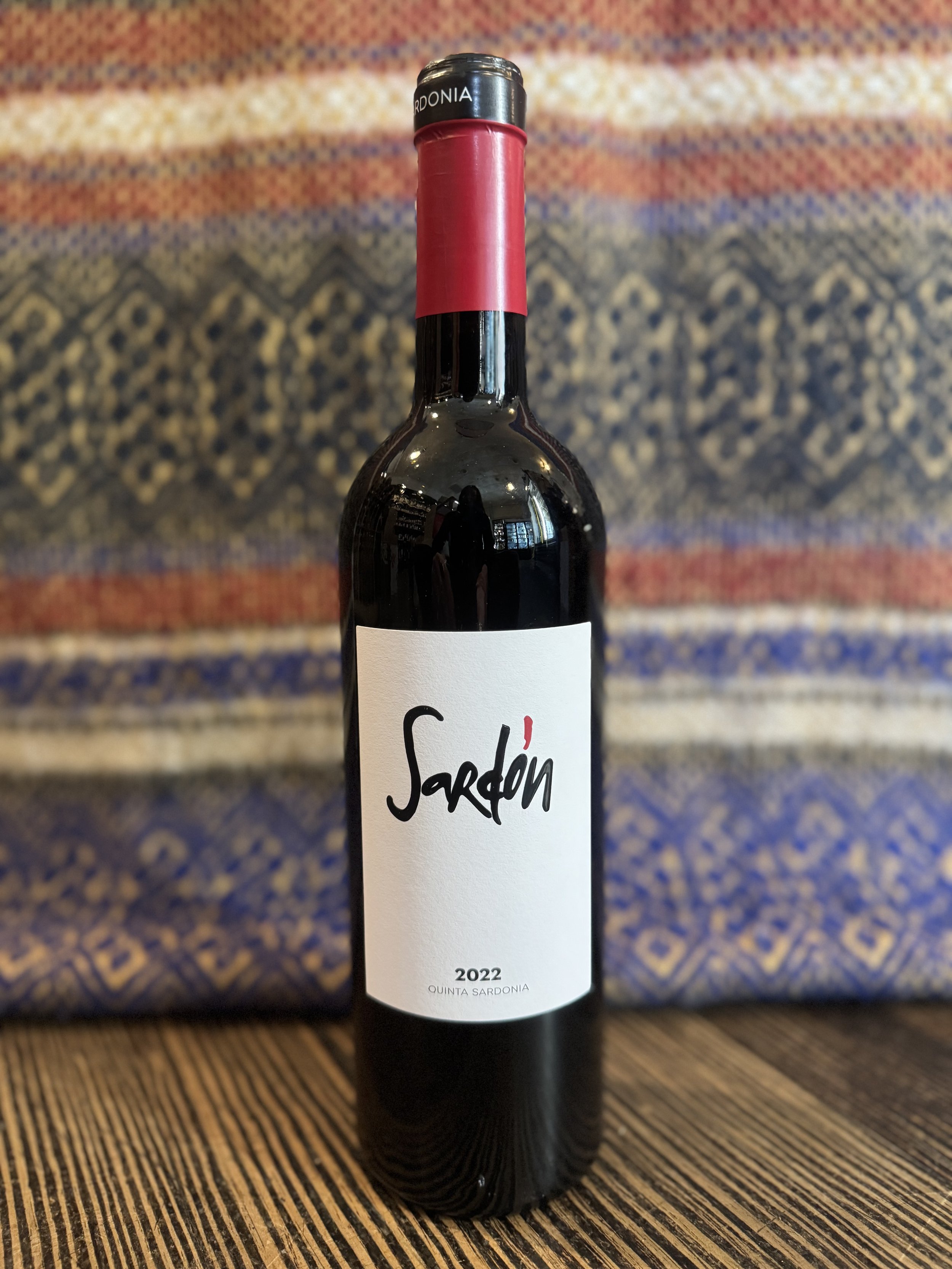
Quinta Sardonia Sardón Red 2022
Origin: Spain
Retail: $20.95 | Sale: $18.85
Founded in 1771 as a Dominican Mission, later turned winery in 1888. Santo Tomas became the pillar of winemaking and production in Ensenada. Santo Tomas is the oldest winery in the Guadalupe Valley which is located 18 miles inland from the city of Ensenada on the Baja peninsula. The valley is home to a unique Medierranean microclimate, ideal for winemaking. Because it is located far from the coast, the valley experiences a more extreme climate. Summers tend to be very hot and dry, with no rain but enjoying a breeze off the coast in the evening. Since 2005, the winery has been lead by oenologist Laura Zamora, the first female winemake in Mexico. She has achieved over 220 medals in national and international competitions. Having retired in 2019, winemaking has been handed off to Cristina Pino Villar, formerly of Monte Xanic. Cristina, a Spaniard, will continue the legacy of Female winemaking, while ushering in her fresh perspective and modern ingenuity.